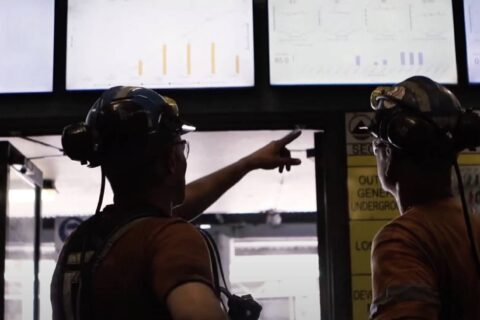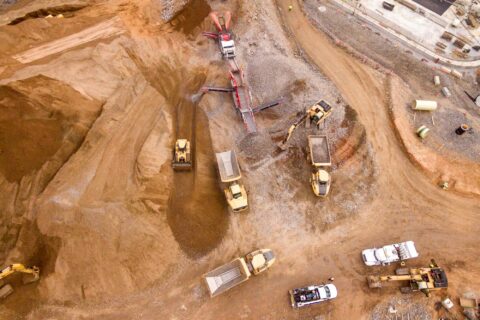
In fast-paced work environments, the ability to assess surroundings and make quick decisions can mean the difference between safety and disaster.
Whether in a high-risk job site, a dynamic office, or on the move in unfamiliar territory, situational awareness is key to identifying potential hazards before they become real threats.
At its core, this awareness is about perception, comprehension, and response—recognising what’s happening around you, understanding its significance, and taking action to stay safe.
The good news?
It’s not just an instinct; it’s a skill that can be taught, practised, and mastered.
In this blog, we’ll break down the fundamentals of situational awareness, explore why it’s essential in the workplace, and share practical strategies to help employees sharpen their awareness, reduce risks, and build a culture of safety.
What is situational awareness?
Situational awareness is about truly perceiving what’s going on around you, anticipating its implications, and reacting appropriately.
It’s the ability to read your environment, from the movements of people to the presence of hazards, and make smart, split-second decisions.
While some assume situational awareness is an innate ability, it’s actually a skill that can be sharpened with practice and intention. And on a busy worksite, this skill could save lives.
But staying vigilant isn’t just the responsibility of individuals. Employers must actively foster a culture of awareness by continuously assessing workplace risks and keeping teams informed of any changes.
Situational awareness in three steps
Mastering situational awareness comes down to three essential phases: perception, comprehension, and projection.
Each of these skills builds upon the other, helping you stay alert, make sense of your surroundings, and take action before a situation escalates.
Perception
Actively scan your environment and pay attention to details such as sights, sounds, and smells.
Changes in the atmosphere, like a sudden silence in a normally noisy area or an unusual odour, could signal a problem.
Being fully present and avoiding distractions ensures that nothing important goes unnoticed.
Comprehension
Recognising patterns and understanding their significance is key to strong situational awareness.
If multiple warning signs appear—such as strange behaviour, unexpected mechanical noises, or inconsistent performance—there may be a larger issue at play.
Being able to separate random occurrences from real risks helps you make informed decisions.
Projection
Using observed information to predict potential outcomes allows you to take preemptive action. Consider what could happen if a machine continues to malfunction, if a storm worsens, or if a coworker’s unusual behaviour escalates.
Mentally preparing for different scenarios enables you to respond quickly and effectively before a small issue becomes a crisis.
The importance of situational awareness at work
In today’s fast-paced world, where distractions are everywhere, staying aware of your surroundings at work is vital.
Situational awareness empowers employees to recognise potential hazards, understand their impact, and respond proactively to keep themselves and others safe.
Here’s why situational awareness is a game-changer in professional settings:
- Sharpens decision-making: Being aware of your surroundings provides the critical information needed to make quick, well-informed decisions. Whether navigating a workplace crisis or handling an unexpected challenge, strong situational awareness helps individuals think on their feet and take decisive action when it matters most.
- Prevents accidents: A keen sense of awareness allows employees to spot hazards before they escalate. By recognising early warning signs and anticipating risks, individuals can take preventative measures to avoid accidents and injuries. This skill is a lifesaver in everyday situations, from walking through a new city to getting into a rideshare or reacting to an emergency.
- Strengthens communication: When everyone shares a clear understanding of their environment, communication becomes more effective. Teams that maintain situational awareness work together seamlessly, ensuring that critical information is relayed quickly and accurately, especially in high-pressure situations.
- Boosts efficiency: Professionals who anticipate obstacles can plan, allocate resources effectively, and minimise disruptions. By staying one step ahead, teams can adjust strategies in real time, ensuring smooth workflows and maximising productivity.
The key takeaway?
When organisations cultivate this skill among employees, they create a workplace that’s safer, more efficient, and better equipped to handle anything that comes their way.
Factors affecting situational awareness
Situational awareness relies on a combination of sensory input, past experiences, and the brain’s ability to interpret and react to a changing environment.
That said, several factors can disrupt this process, causing lapses in judgment, missed warning signs, and increased risk exposure. Understanding these challenges is the first step in overcoming them.
- Information overload – The brain can only process so much at once. When too much data floods in, key details can slip through the cracks. For instance, a dispatcher monitoring multiple emergency calls may focus on one high-priority case while missing a crucial update from another, delaying the appropriate response. Prioritising essential information and filtering non-critical details can help maintain clarity.
- Sensory disruptions – External conditions can interfere with your ability to perceive risks. For example, a security guard monitoring a crowded event might not hear a critical radio call due to overwhelming background noise. Using vibration alerts, visual indicators, or designated quiet zones for communication can improve awareness.
- Fatigue – Mental and physical exhaustion dulls judgment and slows reaction time. For instance, a crane operator working an extended shift may misjudge distances, leading to a costly misplacement of heavy materials. Rotating tasks, enforcing regular breaks, and ensuring proper rest can reduce these kinds of errors.
- Complacency – Familiarity with tasks might cause workers to overlook changes in their environment. For example, a gas technician checking routine pressure levels may assume everything is normal and miss a slight but dangerous leak. Encouraging workers to adopt a “fresh eyes” approach—treating every task as if it were new—can help combat complacency.
- Distractions – Anything that diverts focus can lead to mistakes. For instance, a mechanic momentarily checking their phone while refuelling a vehicle might fail to notice a small spill that could lead to a fire hazard. Establishing phone-free zones and minimising interruptions during critical tasks can keep focus sharp.
- Stress – High workloads and tight deadlines can push workers to rush, increasing errors. For example, a warehouse employee trying to meet a shipping deadline might bypass a final safety check, allowing a faulty product to be dispatched. Implementing stress management techniques and reinforcing quality over speed can prevent costly oversights.
- Fixed mindset – Relying too much on experience can prevent workers from adapting to new risks. For instance, a veteran firefighter may assume they can predict a blaze’s behaviour based on past fires, overlooking unexpected factors like wind shifts. Continuous learning and scenario-based training can keep workers adaptable and cautious.
- Poor communication – Gaps in information-sharing can create confusion and safety risks. For example, a construction team may assume everyone knows the day’s plan, but without clear updates, a worker might unknowingly step into an active danger zone. Using clear, standardised protocols like radio check-ins or hand signals helps everyone stay informed.
- Changes in the environment – A small adjustment can introduce new risks. For instance, a factory worker used to a specific assembly layout might not realise that newly installed equipment creates a pinch point hazard. Conducting quick situational checks at the start of each shift helps workers stay aware of modifications.
- Multitasking – Rapidly shifting between tasks can lead to errors and missed details. For example, a pharmacist filling multiple prescriptions at once might mislabel a medication, creating a serious health risk. Encouraging workers to complete one task fully before moving to the next, or using verification systems, helps maintain accuracy.
When to increase situational awareness
While situational awareness should be ongoing, there are times when extra caution is critical:
- Starting a new or unfamiliar task – New procedures come with new risks.
- Working with unfamiliar coworkers – Different experience levels mean different expectations.
- When visitors or clients are onsite – They may be unaware of workplace hazards.
- After a change in environment – A new layout, different equipment, or modified workflows can introduce unseen risks.
- During high-pressure tasks – More stress equals more room for error.
- If something “feels off” – Your instincts are often your earliest warning system.
- Performing high-risk operations – Electrical work, confined spaces, heights, and machinery all require heightened focus.
By flagging these risk factors and taking proactive steps to counter them, workers can maintain sharp situational awareness and stay ahead of potential dangers.
How to improve situational awareness
Use a trusted framework
Everyone processes their surroundings differently, but in a workplace, consistency is key. A structured approach helps teams assess risks, react effectively, and stay aligned on safety protocols.
The two most common frameworks are the OODA loop and the SLAM method.
Originally designed for fighter pilots, the OODA loop is a simple yet powerful strategy for making quick, informed decisions:
- Observe – Take in what’s happening around you.
- Orient – Process the information and understand its impact.
- Decide – Choose your next move.
- Act – Execute your decision confidently.
If your job requires more analysis than split-second decisions, SLAM offers a more structured approach:
- Stop – Pause, and assess before taking action.
- Look – Scan the area for potential hazards.
- Assess – Consider the risks and ensure you have the right tools.
- Manage – Take steps to control or eliminate danger.
Whether you prefer a rapid-response model like OODA or a more deliberate approach like SLAM, having a mental roadmap can make all the difference in preventing workplace accidents.
Spot subtle warning signs
The biggest hazards often start as small, easily overlooked clues. A faint burning smell, an unusual vibration in machinery, or a coworker’s sudden hesitation—these subtle signs can signal a brewing problem.
Paying attention to minor environmental changes (like flickering lights or odd noises), shifts in behaviour (such as a colleague appearing distracted or uneasy), and physical irregularities (like fraying wires or misplaced tools) can help prevent accidents before they happen.
Ultimately, the key to strong situational awareness is spotting what’s quietly warning you of potential trouble.
Minimise distractions
A minor lapse in attention can turn into a major safety issue. That makes a distracted worker a vulnerable worker.
The more focused you are, the better you can anticipate potential dangers.
Here are some simple ways to prevent distractions at work:
- Avoid unnecessary screen time – Scrolling through your phone while on duty? That’s a recipe for disaster.
- Stay aware of auditory distractions – Loud music, side conversations, and background noise can all mask critical warning signs.
- Keep your hands free – Juggling too many tools or devices can slow your reaction time and reduce spatial awareness.
- Establish no-interruption zones – Some tasks require 100% focus, and employees should know when (and where) to step back and let the work happen.
Make communication a team effort
No one sees everything, but together, a team can cover all angles. Clear, open communication helps ensure no risk goes unnoticed.
Below are some easy ways to strengthen team awareness:
- Encourage verbal callouts – If you see something, say something, out loud and clearly.
- Use tech-based alerts – Emergency notifications, radio communication, and workplace apps keep teams in sync.
- Never assume everyone knows what you know – Just because something is obvious to you doesn’t mean it is to your coworker.
Always have an exit strategy
A fire exit sign is helpful, but real situational awareness means knowing multiple escape options and understanding how to react in different emergencies.
If your usual path is blocked, do you have a backup plan?
If running isn’t an option, do you know the safest place to stay?
Here are practical ways to plan your exit:
- Identify multiple escape routes – Always take note of at least two exits in any workspace. If fire, debris, or a locked door blocks your usual exit, where do you go next?
- Understand the best response for different scenarios – Fire, gas leaks, electrical failures, and workplace violence each require different actions. Running may be the best response in one situation, but sheltering in place might be safer in another.
- Learn emergency shutdown procedures – If equipment malfunctions, shutting it down before evacuating could prevent further hazards. Make sure employees know how to safely power down machines in critical situations.
- Communicate exit plans regularly – An evacuation plan is useless if nobody remembers it in an emergency. Reinforce these procedures through drills, signage, and clear instructions.
Exit strategies aren’t just about finding a door—they’re about making a plan before you need one.
Speak up when something feels off
Your instincts are one of the best tools for preventing workplace incidents. If something seems unusual, it’s better to say something and be wrong than to stay silent and risk a disaster.
How to strengthen a speak-up culture:
- Encourage immediate reporting – If you see a hazard or a potential risk, don’t hesitate. Reporting early can prevent accidents before they happen.
- Trust your gut – If a situation feels unsafe, act accordingly. Your intuition is often picking up on subtle cues that something isn’t right.
- Reinforce psychological safety – Employees should feel comfortable voicing concerns without fear of backlash. No one should hesitate to speak up because they’re worried about getting in trouble or being dismissed.
- Recognise patterns – If multiple workers have mentioned the same issue, take it seriously. A minor problem ignored today could turn into tomorrow’s emergency.
Provide regular safety training
Situational awareness is a skill that fades if not reinforced. If safety training is only done once a year, employees won’t retain the knowledge when they need it most. Regular training ensures that safe habits become second nature.
Here’s how to keep safety top of mind:
- Hold monthly safety briefings – A short 5–10-minute discussion can refresh key safety principles and highlight recent workplace risks.
- Simulate real-world scenarios – Drills and tabletop exercises help employees practice emergency responses in a controlled environment, making them more confident in a crisis.
- Encourage peer-to-peer coaching – Experienced employees should actively guide newer ones in identifying and managing risks in everyday tasks.
- Use microlearning tools – Short, interactive training sessions or digital reminders can reinforce safety concepts without taking up too much time.
The more employees practice safety, the faster and smarter they’ll react when it matters most.
Support mental health
A mentally fatigued worker is a distracted worker. If employees are stressed, anxious, or burned out, their ability to notice risks, think critically, and react quickly is compromised.
Supporting mental well-being is essential for workplace safety. After all, a clear, focused mind is the foundation of strong situational awareness.
To promote your employees’ mental well-being, you can:
- Take regular breaks – Mental fatigue can be just as dangerous as physical exhaustion. Short breaks help employees recharge and stay sharp.
- Create a culture of open communication – If workers feel supported, they’re more likely to share concerns and flag potential safety risks.
- Recognise stress as a hazard – Chronic stress affects focus and decision-making. Identify and address factors that contribute to burnout, like unrealistic workloads or a lack of work-life balance.
- Train managers to spot signs of distress – Employees struggling with mental health may not always speak up. Managers should be trained to identify signs of stress, fatigue, or disengagement.
Fight fatigue
Fatigue is a major workplace risk that must be actively managed. That’s because tired employees are slower to react, more prone to mistakes, and less aware of their surroundings.
The consequences?
More accidents and injuries.
Here’s how to combat fatigue for a safer work environment:
- Teach proper sleep hygiene – Lack of sleep impacts reaction time and cognitive function. Educate employees on the importance of quality rest.
- Schedule tasks strategically – Avoid assigning high-risk tasks to workers at the end of long shifts when fatigue is most likely.
- Recognise early warning signs – Slow reaction times, zoning out, or frequent mistakes indicate that a worker might be too tired to perform safely.
- Make breaks mandatory, not optional – Short, scheduled breaks improve concentration and reduce the risk of fatigue-related errors.
Improve visibility wherever possible
The more you see, the faster you react—and the safer your workplace becomes.
Yet, unfortunately, many hazards aren’t in direct sight.
Developing a habit of actively scanning your environment can help prevent accidents that happen in blind spots or unexpected areas.
To do this, you can:
- Use mirrors and reflective surfaces – In warehouses, construction sites, and industrial settings, mirrors help workers see around corners and avoid collisions.
- Pay attention to reflections – Windows, polished floors, or stainless-steel equipment can give you visibility into areas you can’t see directly.
- Train your brain to scan, not just glance – Instead of briefly looking around, develop a habit of systematically scanning your surroundings for potential hazards.
Deploy signalling devices and signage
Workplaces are loud and fast-paced—verbal warnings aren’t always enough. Thankfully, visual and auditory cues can help ensure critical safety messages aren’t missed or misunderstood.
Here’s how to strengthen communication with non-verbal signals:
- Flashing lights for active machinery – Alerts workers to move equipment, even in noisy environments.
- Beeping alarms for reversing vehicles – Helps pedestrians avoid blind spot accidents.
- Barrier tape and traffic cones – Clearly mark off hazardous areas, ensuring workers stay clear of danger zones.
- Hand signals for high-noise areas – Helps workers communicate instantly without relying on shouting or radios.
Importantly, these signals need to be standardised across teams to ensure quick, error-free communication. Every worker should be trained to recognise and use these signals instinctively in high-noise or low-visibility conditions.
Strengthen situational awareness with Pulse Production
Situational awareness isn’t just about reacting to risks—it’s about staying ahead of them. A safety-first workplace is one where employees stay alert, recognise warning signs, and take action before small issues escalate.
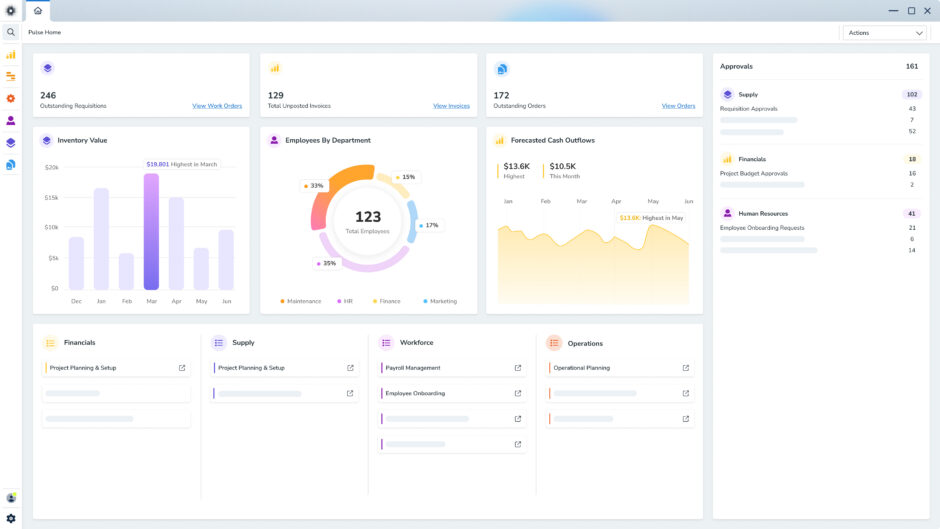
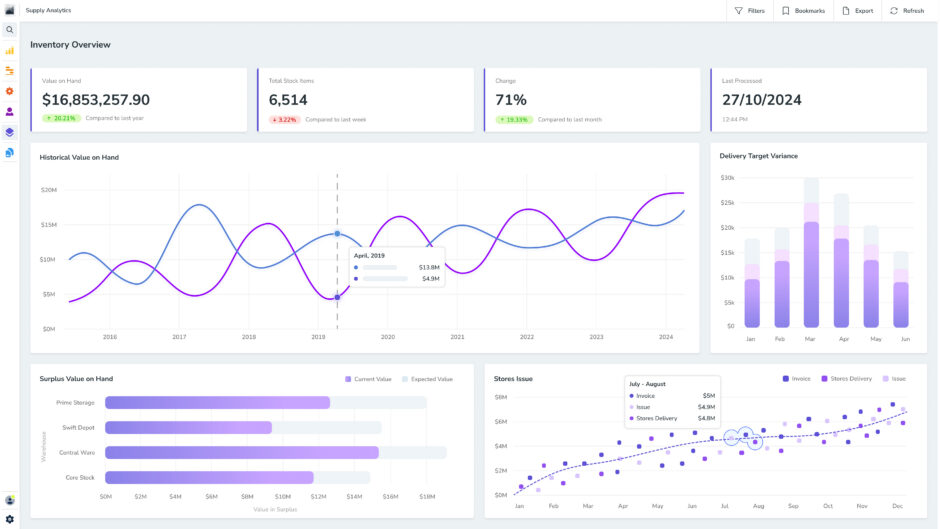
With Pulse Production, your business can gain real-time insights, automated reporting, and seamless monitoring to enhance situational awareness.
By integrating live data with proactive decision-making, this robust ERP module can help you prevent hazards, optimise operations, and create a safer work environment.
Stay informed. Stay prepared. Because the best accidents are the ones that never happen.
Request a free demo today.