Every asset your organisation depends on, from software to machinery, moves through a defined lifecycle. Asset lifecycle management (ALM) gives you the visibility to make smarter decisions at every stage.
By tracking asset condition, performance and costs, your team can identify risks earlier, reduce downtime and get more value from every investment.
Experience these advantages with Pulse. In this article, we explore the key considerations and best practices at each stage of the Asset Management Lifecycle. Keep reading to learn how to achieve a stronger return on each asset.
What is Asset Lifecycle Management (ALM)?
Asset Lifecycle Management (ALM) is the coordinated process of managing an asset from initial planning and purchase through to operation, maintenance, renewal and disposal.
This systematic approach gives decision-makers accurate information about asset condition, maintenance history, operating costs and expected longevity.
By informing decisions at each stage of an asset’s useful life, it helps businesses improve performance, reduce unplanned downtime, and avoid unnecessary purchases.
Assets can include physical items such as mining equipment, vehicles, infrastructure and machinery, as well as non-physical assets like software, data, licences and intellectual property.
6 stages of the Asset Lifecycle Management journey
Over time, assets progress through five core stages: planning, acquisition, operation, maintenance and disposal or replacement. When you understand which one a given asset is in, you can take the right measures to reduce costs and boost returns.
Let’s take a look at what each stage of enterprise asset management involves.
1. Planning
The planning phase sets the foundation for the entire asset lifecycle. It’s where you define why an asset is needed, what outcomes it should deliver and whether the investment will provide long-term value.
Before buying a new asset, review current asset performance, operational requirements and any issues affecting productivity, safety or service delivery. This helps determine whether a new asset is the best solution or if an existing asset can be upgraded, optimised or redeployed to meet the need.
A strong asset plan should outline:
- The asset’s intended purpose
- Required features and performance standards
- Purchase, deployment, operating and maintenance costs
- Expected useful life and residual value
- Performance measures and success criteria
- Potential operational, financial and safety risks
- Available budget and expected return on investment
Remember that planning works best when it includes input from the people who will purchase, operate, maintain and manage the asset. Their practical insights help ensure the chosen asset supports day-to-day operations and delivers value beyond the initial purchase price.
2. Acquisition
The acquisition stage is where the asset identified during planning is selected, approved and purchased or leased. This process usually involves:
- Researching and shortlisting suitable suppliers
- Requesting and evaluating proposals
- Confirming technical and operational requirements
- Negotiating pricing, warranties and service agreements
- Securing internal approvals
- Finalising contracts and coordinating delivery
To make the right investment, you should assess suppliers based on the asset’s overall value rather than focusing only on the upfront price. Reliability, delivery timelines, warranty coverage, technical support, compatibility and future upgrade opportunities can all influence long-term performance and returns.
It’s also important to budget for more than the asset itself. Costs like freight, installation, software licences, staff training, site preparation and ongoing support can all increase the total acquisition investment.
Make sure to maintain accurate purchasing records from the outset. This information will help you track ownership, value, warranty obligations and future costs throughout the asset’s lifecycle.
3. Deployment
The deployment stage gets a new asset ready for reliable use. It starts when the asset arrives and ends when it has been installed, tested, integrated and signed off for operation.
Depending on the asset, deployment can include:
- Preparing the installation environment
- Assembling, installing or configuring the asset
- Connecting it to existing systems, equipment or software
- Carrying out safety checks and commissioning activities
- Recording baseline condition and asset data
- Setting up maintenance plans and schedules
- Training operators and support teams
- Organising warranties, manuals and ownership records
For physical assets, deployment can involve permits, specialist contractors or formal commissioning procedures. For digital and IT assets, it often includes access management, system integrations, data migration and cybersecurity testing.
A well-managed deployment process helps avoid installation mistakes, delays and unexpected costs. It also ensures teams have the tools, knowledge and documentation they need to get the asset performing effectively from day one.
4. Operation
Your asset is up and running. At this point, focus shifts to how the asset performs in day-to-day conditions.
You should track key performance indicators like output, availability, utilisation, operating costs, energy consumption, faults and unplanned downtime to understand whether the asset is meeting expectations.
Typical activities during this stage include:
- Operating the asset in line with approved procedures
- Training and supporting users
- Monitoring performance against defined targets
- Recording usage, condition and operating costs
- Adjusting settings or processes to improve performance
- Implementing upgrades that deliver measurable benefits
- Maintaining compliance with relevant safety and operational requirements
Reliable operating data paint a precise picture of asset performance over time. It helps you to flag issues early, supports maintenance planning, and improves budgeting accuracy.
5. Maintenance
This stage focuses on keeping assets safe, reliable and ready to perform. The most suitable maintenance strategy will depend on each asset’s condition, workload, operating environment and importance to daily operations.
In general, the three main approaches to asset maintenance are:
- Preventative maintenance: Scheduled inspections, servicing and repairs that help prevent faults before they occur.
- Predictive maintenance: Maintenance planned using real-time condition and performance data to identify when an asset needs attention.
- Corrective or reactive maintenance: Repairs completed after an asset develops a fault or stops working.
Routine inspections help teams catch wear, unusual readings, software issues and declining performance before they lead to costly failures or downtime. Documenting each inspection, repair and replacement then builds a complete maintenance history, giving teams a reliable record of the asset’s condition and care.
These records give asset managers a clear view of labour, parts, costs, downtime and recurring faults. With the right data on hand, you can decide whether an asset is cost-effective to maintain or whether replacement will deliver more long-term value.
6. Disposal or replacement
All assets have a shelf life. The disposal stage begins when an asset no longer meets your organisation’s operational, financial, safety or compliance requirements.
Before retiring an asset, you should assess its condition, maintenance costs, downtime, remaining useful life, resale value and the benefits of available replacements.
For instance, a cost-benefit analysis might reveal that it no longer offers enough value to justify its operating expenses or risks.
Depending on the asset’s condition, cost and type, you can choose to:
- Dispose of it through an approved service
- Sell the asset
- Refurbish or repurpose it
- Redeploy it to another site or role
- Recycle suitable parts or materials
Assets should always be decommissioned safely and in line with relevant environmental, safety and privacy requirements. IT and digital assets might also require secure data removal, access revocation and software licence management before disposal.
From there, the cycle repeats with the asset’s replacement.
Benefits of effective management throughout an asset’s lifespan
Asset Lifecycle Management helps your organisation run as efficiently as possible, so that you can get more value out of every asset. Below, we explain its key benefits.
Fewer costs
ALM clarifies how much each asset costs to purchase, operate, maintain and replace so you can save money.
With this information, you can flag unnecessary spending, plan maintenance before faults become expensive and avoid replacing assets too early.
Routine maintenance jobs can be scheduled at a suitable time, reducing the risk of costly repairs and unexpected disruptions.
This approach also helps decision-makers compare the long-term value of different assets instead of focusing only on the initial purchase price.
Less unplanned downtime
Monitoring asset condition and performance helps you pinpoint potential issues before they cause breakdowns.
Preventative and predictive maintenance can then be planned around operational requirements, giving you more control over when assets are unavailable.
This reduces disruption, improves productivity and helps maintenance teams use their time and resources more effectively.
Improved asset performance
ALM helps you understand how well an asset performs throughout its useful life.
Tracking measures such as output, availability, utilisation, energy use and fault frequency can reveal opportunities to improve performance.
You can then adjust operating procedures, complete targeted maintenance or make upgrades that deliver measurable value.
Accurate performance data also helps you confirm whether assets continue to meet operational expectations so you can decide what to do with them next.
Longer asset lifespans
Regular inspections and proactive maintenance help assets operate safely, efficiently and reliably for longer.
By analysing asset data, you can identify wear patterns, predict maintenance needs and determine the most effective time to carry out repairs or servicing.
Taking action before issues escalate helps prevent damage to critical components, extend asset lifespans, and reduce maintenance costs over time.
Stronger risk management
Mitigate risks at every stage of an asset’s life. Planning can uncover potential safety, financial and operational risks before an asset is even purchased.
During operation, inspections, performance monitoring and maintenance records help teams detect emerging problems and respond before they affect people, productivity or surrounding assets.
Finally, careful disposal processes reduce environmental, privacy and safety risks when assets reach the end of their useful life.
Smoother compliance
Maintaining accurate asset records helps you meet relevant legal, safety and industry standards.
A central system can store inspection results, licences, warranties, maintenance histories and supporting documents in one place.
Automated alerts can also notify teams about upcoming renewals, scheduled inspections and compliance deadlines.
When records are up to date and easy to access, teams can respond to audits faster and reduce the risk of missed obligations.
Smarter decision-making
With a deep understanding of asset health and costs, it’s easier to strategise your next move. Instead of relying on assumptions, teams can compare an asset’s condition, performance, maintenance history, operating costs and remaining useful life.
This supports better decisions about whether to repair, upgrade, redeploy or replace an asset. Over time, these insights also help organisations improve purchasing decisions, allocate resources more effectively and strengthen future asset plans.
Best practices for a successful Asset Lifecycle Management system
Effective ALM relies on accurate data, clear responsibilities and consistent processes. Here’s how to improve performance, manage costs and strengthen your strategy throughout the asset lifespan.
Define your goals
Start with a clear understanding of what you want to achieve. Your goals might include extending asset life, reducing unplanned downtime, improving operational efficiency or gaining better visibility into asset performance, condition and costs.
Once these objectives are defined, you can identify the assets that need to be managed. This could include equipment, vehicles, infrastructure, hardware, software, cloud services and other business-critical resources.
From there, establish measurable KPIs to track progress and performance. Common asset management metrics include:
- Asset availability and utilisation
- Planned and unplanned downtime
- Maintenance cost
- Fault frequency
- Repair response times
- Total cost of ownership
- Remaining useful life
Regularly reviewing these asset performance metrics will help you spot trends, address recurring issues and make data-driven decisions around your investment.
Invest in employee training
Even the best assets can underperform if they’re not used correctly.
Providing employees with relevant training helps reduce avoidable damage, improve reliability and minimise downtime. This training should cover day-to-day operations, safety procedures, basic inspections and how to report faults quickly and accurately.
It’s also important that users understand any regulatory compliance, security or other requirements associated with the asset.
Training shouldn’t be a one-off activity. Refresher sessions can help reinforce best practices, particularly after upgrades, process changes or recurring operational issues.
Meet asset management standards
Asset management standards provide a framework for creating consistent processes across the asset lifecycle.
More specifically, the ISO 55000 series is widely recognised as the benchmark for asset management. ISO 55000 outlines key principles and terminology, while ISO 55001 details the requirements for building and maintaining an effective asset management system.
By aligning with these standards, you can improve governance, clarify responsibilities and ensure asset decisions support broader business objectives.
Keep asset records accurate & accessible
Proper asset management depends on reliable information. Use a centralised asset register to give teams a complete, up-to-date record of every managed asset whenever needed.
Based on the asset type, these records can include:
- Purchase and installation dates
- Location and ownership
- Current condition and value
- Warranties and licences
- Renewal and expiry dates
- Operating and maintenance costs
- Inspection and maintenance schedules
- Faults, repairs and replacement parts
- Technical documents and manuals
Ultimately, precise records help prevent missed maintenance and compliance issues while supporting better budgeting, performance tracking and replacement planning.
Stay on top of costs & compliance
Asset performance isn’t just about whether something still works. It’s also about whether it continues to deliver value without creating unnecessary cost or risk.
Regular reviews help you understand the true cost of owning and operating an asset. This includes purchase, installation, maintenance, repairs, licensing, operation and eventual disposal costs.
Comparing these costs against performance can highlight when a replacement asset makes more financial sense than continued maintenance.
Meanwhile, ongoing inspections, audits and risk assessments will help identify safety concerns, compliance gaps and emerging issues before they become larger problems.
Get stakeholders involved
When the right people weigh in, you can make more informed and confident decisions about your assets.
For example, finance teams provide insight into budgets and lifecycle costs, while operators understand how assets perform in day-to-day use. Moreover, maintenance teams can identify recurring faults, servicing requirements and potential reliability issues.
Bringing these perspectives together forms a more complete picture, helping you select the right assets, optimise maintenance strategies and plan replacements more effectively.
Remove data siloes with integrated software tools
When asset data sits across disconnected systems, spreadsheets and documents, teams lose visibility and decisions take longer.
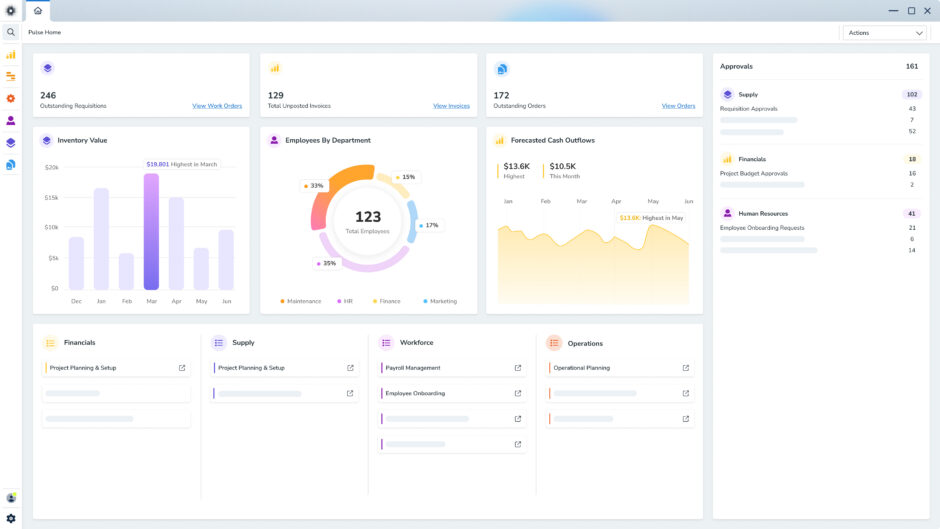
Integrated asset management software tools like Pulse tie this information together, creating one reliable source for asset performance, costs, maintenance records and supporting documents.
With a clear and current view of every asset, users can track condition, monitor performance, and manage work orders.
You’ll also be able to store critical documents and receive alerts for upcoming maintenance, renewals and deadlines. Plus, automated workflows reduce manual admin, as well as the risk of missed actions and data entry mistakes.
Together, these capabilities help teams work more efficiently while getting the most out of every asset.
FAQs
Every asset changes over time. Equipment can become less reliable, vehicles can become more expensive to maintain, and software can become outdated or unsupported.
Without accurate lifecycle data, organisations risk unexpected downtime, rising repair costs, safety issues and poorly timed purchases.
Asset tracking helps you understand its condition and expenses, so you can identify when it performs at its best, when it needs attention and when replacement offers better value than repeat repairs.
It can also help you:
- Monitor asset use, condition and performance
- Plan preventive maintenance before faults occur
- Reduce unplanned downtime and increase productivity
- Extend the useful life of high-value assets
- Compare purchase, operating, repair and replacement costs
- Calculate depreciation and current asset value
- Meet safety, environmental and regulatory requirements
- Maintain accurate asset records across the organisation
Ultimately, your business can use ALM strategies to control costs, improve reliability and get more value from the assets that support its operations.
This approach can help you manage almost any asset that delivers operational or financial value, including:
- Plant and infrastructure: Track machinery, equipment, buildings and other structures from purchase through to maintenance, replacement and disposal.
- Fleet vehicles: Monitor vehicle condition, servicing, operating costs, safety requirements and changing resale values.
- IT hardware: Manage hardware assets such as computers, servers, mobile devices and network equipment throughout their useful life
- Software: Track software licences, renewals, access permissions and usage to reduce costs and prevent outdated or unauthorised software use.
- Digital documents: Control the creation, storage, use, distribution, archiving and disposal of digital files and records.
Simplify asset management with Pulse Maintenance
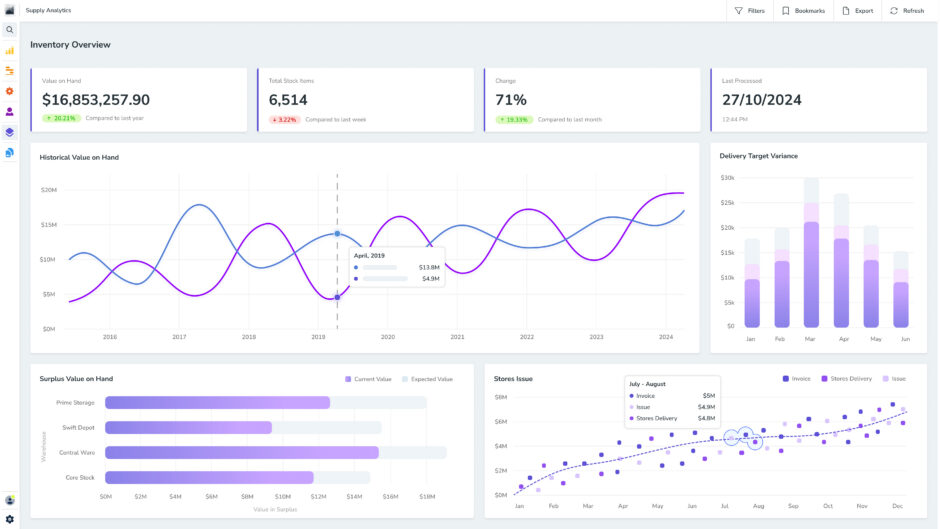
Streamline ALM with Pulse Maintenance. Integrating seamlessly with other Pulse ERP modules and your third-party systems, this asset management software provides a complete view of performance, servicing history, and costs. All backed by automated workflows and custom reports.
With a single source of truth for all asset data, you can plan maintenance at the right time and make informed decisions about when to repair or replace.
Request a free demo today.