Procurement management goes far beyond simply buying what your business needs. It demands smart, strategic decisions, from finding the right suppliers to negotiating fair deals and managing ongoing relationships.
This key function keeps costs under control, strengthens your supply chain, and helps your organisation run more efficiently. But only if you do it right.
In this guide, we’ll unpack what modern procurement management looks like, explain the process from start to finish, and share proven tips and tools to help you along the way.
Key takeaways
- Procurement management combines sourcing, purchasing, and supplier management to drive efficiency and long-term value.
- Core steps include planning, supplier selection, negotiation, ordering, inspection, and record keeping — all designed to support business goals.
- Technology, like e-procurement software and data analytics tools, can streamline these processes, boost accuracy, and power productivity.
What is procurement management?
Procurement management is the strategic process of sourcing, purchasing, and managing the goods and services an organisation needs to operate efficiently.
It covers every stage of the procurement lifecycle, from identifying a need and selecting suppliers to negotiating contracts, monitoring delivery, and evaluating performance.
When actioned strategically, procurement transforms from a transactional activity into a powerful driver of overall performance. You can ensure your business gets the right products or services, at the right price, from the right suppliers — all while maintaining quality and compliance.
Why procurement management matters
Procurement management is paramount because it turns everyday purchasing into a powerful tool for efficiency, sustainability, and growth.
This function aligns buying decisions with broader business goals, helping control costs, manage risk, and build resilient supplier partnerships that support long-term success.
At its core, effective procurement connects sourcing, contract negotiation, and supplier management into one streamlined process. That way, your organisation gets maximum value from every dollar spent.
Smart procurement doesn’t just reduce costs, either. It also frees up resources that can be reinvested in technology, innovation, or expansion, so that your organisation can stay agile and competitive.
However, as businesses grow, procurement management becomes increasingly complex. That’s why strong systems, real-time data visibility, and collaboration across departments are essential.
The procurement process in 6 steps
An effective procurement process follows a clear, structured path. Each stage builds on the previous one, ensuring transparency, accountability, and value throughout the supply chain.
1. Planning
Successful procurement starts with clear planning. This means understanding what’s needed, why it’s needed, and how it fits into the bigger picture.
Stakeholder meetings, market research, and expert input help define the scope and technical requirements of each purchase — including quality standards, delivery timelines, and budgets.
A well-defined procurement plan also builds alignment across departments and should include contingency measures to manage potential supply or price fluctuations.
2. Supplier selection
Finding a supplier isn’t just about getting the lowest price. You need a partner you can rely on; someone who delivers on time, meets your quality standards, and shares your values.
Working with suppliers who care about your goals as much as you will result in smoother delivery, stronger relationships, and consistent performance over time.
That’s why procurement teams should evaluate potential partners based on factors like price, quality, reliability, and sustainability.
Tools such as Requests for Information (RFIs) and Requests for Quotation (RFQs) can help you compare options objectively.
3. Negotiation and contracts
Negotiation is where strategy meets value. Beyond pricing, effective negotiation sets expectations for service levels, timelines, warranties, and performance metrics.
Standardising and digitising contract management helps organisations create consistent, compliant agreements faster.
Every contract should include clear terms, exit clauses, and intellectual property protections — and be stored in a searchable digital system to maintain visibility and accountability.
4. Order placement for goods and services
Once contracts are in place, purchase orders (POs) formalise the transaction. Each PO outlines the item, quantity, cost, delivery timeframe, and payment terms.
You should use standardised PO templates to streamline each order and ensure traceability.
Next, expediting is the process of confirming that orders are fulfilled in full and on time. This proactive approach helps to minimise supply chain disruptions, reduce costs, and keep projects on schedule.
5. Receipt, inspection, and payment
When you receive goods or services, quality checks verify that everything meets agreed specifications and contract terms. Any discrepancies should be recorded and resolved before payment is made.
Once approved, invoices need to be matched against POs for transparency and compliance. This step ensures suppliers are paid correctly and on time.
6. Record-keeping
Thorough record-keeping underpins strong governance and audit readiness. By maintaining complete documentation, you support tax compliance, warranty claims, and re-ordering.
Review and relationship management
Finally, post-project reviews are equally important. They allow teams to reflect on supplier performance, identify lessons learned, and strengthen future collaborations — turning each transaction into an opportunity for improvement.
What is a procurement management plan, and what should it include?
A procurement management plan is the blueprint for how your organisation sources, purchases, and manages goods and services. It outlines every step of the process, from identifying needs
and selecting suppliers to managing contracts and measuring performance.
Think of this document as your team’s playbook: it keeps everyone aligned, reduces risk, and ensures every purchase supports your organisation’s goals.
Here’s what a strong plan should include:
Procurement objectives
Start by defining what you want procurement to achieve, whether that’s cutting costs, improving efficiency, reducing risk, or supporting sustainability goals. Clear goals set the direction for every decision that follows.
Roles and responsibilities
Outline who is responsible for each stage of the process and what tasks they need to perform. Your team might include:
- Procurement managers – Oversee sourcing, supplier relationships, and contract negotiations to ensure purchases meet quality, cost, and timing targets.
- Chief Procurement Officer (CPO) – Sets the overall procurement strategy, ensuring it aligns with company goals and governance standards.
- Procurement teams – Handle day-to-day activities like market research, negotiations, and performance monitoring.
Procurement methodology
Detail how suppliers will be sourced, such as through open tenders, direct negotiations, or pre-qualified vendor lists.
As mentioned above, include evaluation criteria like price, quality, delivery reliability, and ESG (Environmental, Social and Governance) compliance to drive a fair and transparent selection.
Supplier management strategy
Explain how your business will find, assess, and manage suppliers. This might involve using RFIs, RFQs, and RFPs, as well as regular performance reviews to maintain high standards and reliable delivery.
Contract management process
Describe how contracts will be drafted, reviewed, approved, and stored. Include processes for managing contract variations, handling disputes, and ensuring timely renewals. A digital contract system can simplify tracking and improve visibility across teams.
Budgeting and approval workflows
Set clear financial thresholds for approval and document who signs off on what. Automated systems or e-procurement tools like Pulse Supply can streamline approvals, reduce manual errors, and improve governance.
Risk management plan
Flag potential risks — such as supplier issues, market shifts, or delivery delays — and include contingency plans to mitigate them. A proactive approach keeps projects on track even when challenges arise.
Performance measurement and reporting
Define key performance indicators (KPIs) like cost savings, supplier reliability, and contract compliance. Regular reporting helps to monitor progress, demonstrate value, and identify opportunities for ongoing optimisation.
Key skills for procurement managers
Successful procurement managers combine strategic thinking with excellent interpersonal and analytical skills. It’s a role that blends commercial know-how with the ability to build trusted relationships and make data-driven decisions.
Core capabilities include:
- Negotiation: Great procurement professionals know how to secure win-win outcomes. They secure fair pricing and favourable terms while maintaining positive, long-term supplier relationships.
- Data analysis: The best decisions come from powerful insights. Procurement managers use data to assess supplier performance, spot opportunities for improvement, and optimise spend across the organisation.
- Communication: Clear, confident communication keeps projects moving smoothly. Whether they’re managing internal expectations or working with suppliers, procurement managers build trust and alignment at every stage.
Together, these skills can help procurement teams drive cost savings, enhance efficiency, reduce risk, and strengthen your organisation’s overall performance.
Overcoming common procurement challenges
Even with strong systems in place, procurement comes with its share of challenges. Here’s how to prevent and navigate the most common pitfalls.
Supply chain disruptions
No procurement process is immune to interruptions, from shipping delays and labour shortages to global events and changing regulations.
The smartest way to minimise impact is to work with a mix of reliable suppliers, understand where your vulnerabilities lie, and monitor industry trends that could affect availability or pricing.
Regularly reviewing your supply network and having contingency plans in place means you can pivot quickly when something goes wrong, keeping projects on track and clients confident.
Compliance gaps
Compliance isn’t about red tape; it’s about doing business responsibly. Gaps often occur when policies aren’t clearly communicated, record-keeping is inconsistent, or supplier practices aren’t closely monitored.
Conducting regular internal audits, maintaining up-to-date documentation, and embedding ESG (Environmental, Social, and Governance) checks into every stage of procurement helps prevent issues before they arise.
Strong compliance frameworks not only reduce risk but also show stakeholders that your business operates with integrity and transparency.
Subpar suppliers
From missed deadlines to poor-quality goods or broken agreements, supplier issues can have a ripple effect across your entire operation.
The key to avoiding these fallouts is proactive relationship management. Take time to understand your suppliers’ pressures, communicate expectations clearly, and check in regularly on performance.
Honest feedback and collaborative problem-solving build trust and accountability on both sides.
When suppliers feel valued and supported, they’re more likely to prioritise your business, deliver consistent quality, and work with you to find innovative solutions when challenges arise.
Best practices for your procurement strategy
The best procurement strategies don’t just react to business needs; they anticipate them. Successful teams take a proactive, strategic approach that balances cost control, sustainability, and continuous improvement.
Here are the key principles that set high-performing procurement functions apart.
Strategic sourcing
Strategic sourcing means making purchasing decisions that serve the bigger picture, not just short-term savings.
It’s about understanding your organisation’s goals and aligning every supplier relationship, contract, and negotiation to support them.
By analysing the total cost of ownership, assessing supplier capabilities, and focusing on long-term value, procurement teams can reduce costs, improve reliability, and foster innovation across the supply chain.
Sustainable practices
Today, sustainability is central to successful procurement management. Choosing suppliers who meet environmental and ethical standards, minimising waste in logistics, and prioritising energy-efficient materials all make for a more eco-friendly and resilient supply chain.
Beyond the environmental impact, sustainable procurement strengthens brand reputation, attracts conscious customers, and positions your business as a leader in corporate responsibility.
Continuous improvement
Procurement isn’t static. Instead, it evolves with your business and the market around it. Regularly reviewing outcomes, gathering stakeholder feedback, and tracking performance data helps identify what’s working and what needs adjustment.
Continuous improvement also means benchmarking against industry standards and learning from each project. The goal is to refine processes, eliminate inefficiencies, and ensure procurement keeps delivering genuine value.
Digital transformation in procurement management
Digital tools have redefined how organisations manage procurement, turning it into a more streamlined, transparent, and data-driven process.
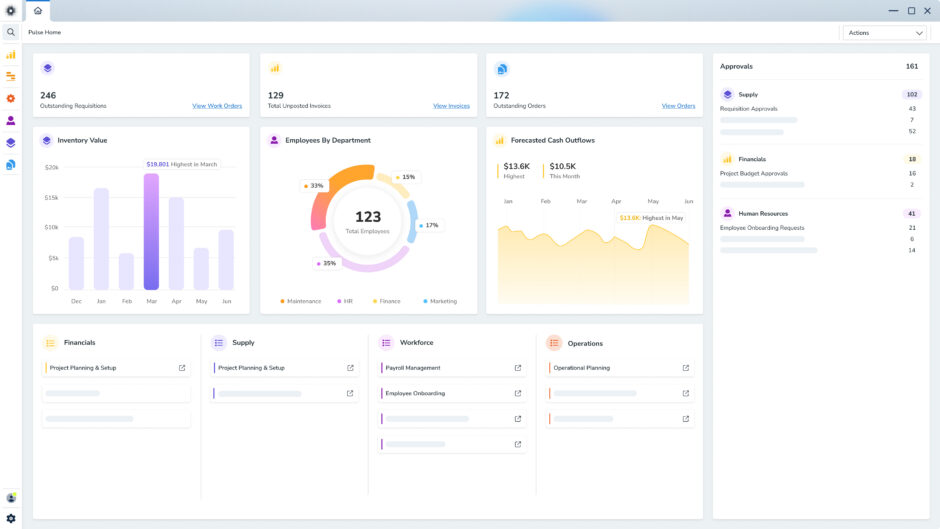
Configurable platforms like Pulse Supply automate manual work, improve visibility, and empower teams to focus on strategic value rather than administration.
Here’s what you’ll gain:
Increased efficiency
Pulse eliminates time-consuming manual tasks like requisition processing, purchase order creation, and invoice matching. Automation speeds up workflows, reduces human error, and frees up procurement teams to concentrate on higher-value activities like supplier strategy and cost optimisation.
Real-time visibility
With Pulse, every stage of the procurement cycle can be tracked in real time. Your team will gain instant insight into spending, supplier performance, and approval progress, ensuring accountability and faster decision-making across departments.
Smarter inventory management
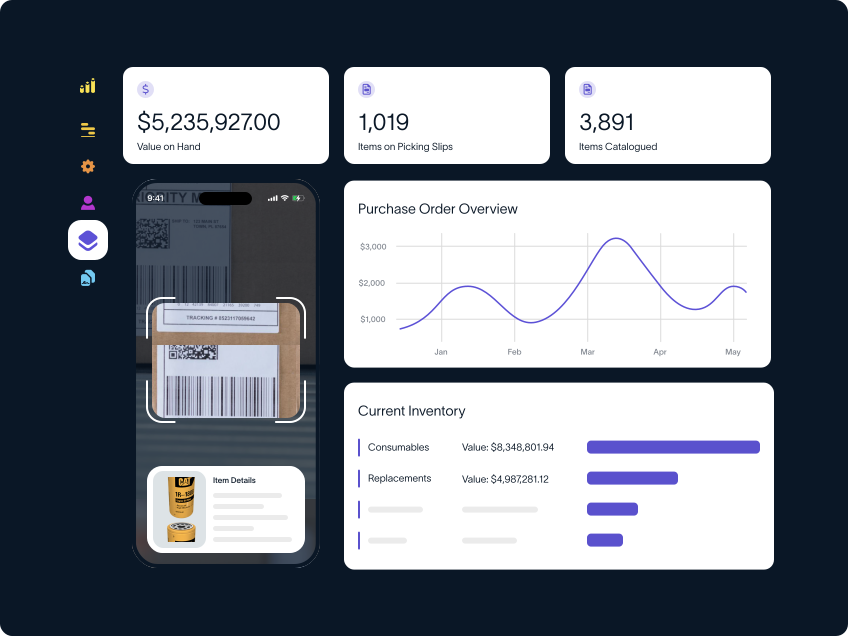
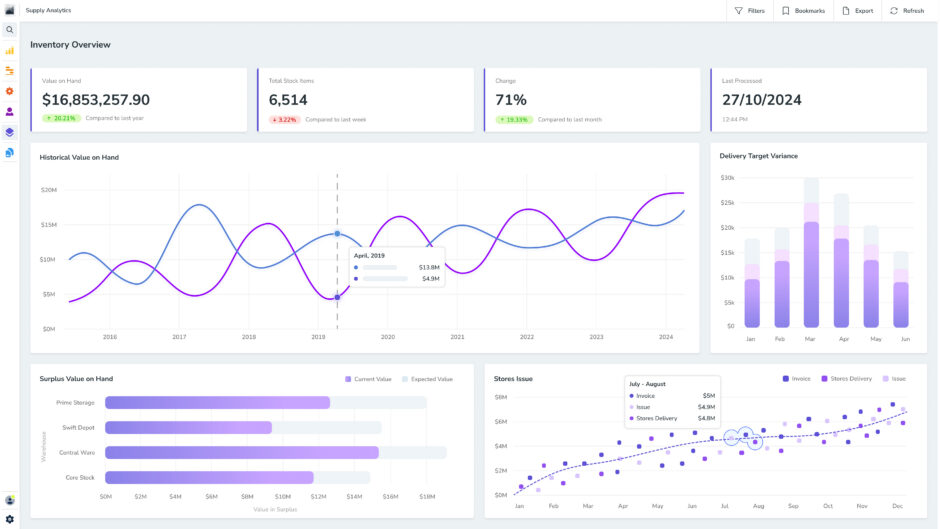
Pulse automatically monitors stock levels to prevent unnecessary purchases and over-ordering. By maintaining accurate, up-to-date inventory data, organisations can reduce waste, lower costs, and ensure essential items are available when needed.
Stronger compliance
Built-in validation checks, detailed audit trails, and custom approval workflows make compliance effortless. Pulse keeps records organised, supports governance requirements, and minimises exposure to financial or procedural risk.
Faster approvals and payments
Mobile approvals and digital workflows streamline sign-offs, allowing managers to review and authorise requests on the go. This shortens payment cycles, strengthens supplier relationships, and keeps projects moving without delays.
Smooth B2B integration
Pulse links directly with vendors’ online catalogues and shopping carts. It automatically pulls in product details, pricing, and specifications to create requisitions and trigger approvals, delivering a truly seamless end-to-end B2B buying experience.
Centralised supplier catalogue management
Pulse stores unlimited supplier catalogues in one secure platform. This centralised system makes it easy to search, compare, and retrieve accurate product data — reducing ordering errors and improving consistency across the business.
Contextual purchasing intelligence
Pulse’s built-in intelligence guides users with contextual purchasing options based on live data such as price, availability, and company preferences. This helps buyers make faster, more informed decisions and ensures procurement remains efficient and accurate.
Comprehensive reporting and analytics
Pulse offers extensive reporting tools that deliver clear insights into spending trends, supplier performance, and process efficiency. These reports help businesses identify opportunities to optimise procurement and reduce costs.
Hierarchical approval workflows
Configurable approval hierarchies mirror organisational policies, ensuring every purchase meets governance standards. This structure keeps procurement compliant while maintaining operational agility.
Audit trails and accountability
Every step, from requisition to delivery, is captured in Pulse’s detailed audit logs. This complete record provides visibility, accountability, and peace of mind for procurement leaders and auditors alike.
Anywhere access
Pulse Mobile extends the power of Pulse Supply to smartphones and tablets, giving users access to procurement data and workflows from anywhere.
Whether approving orders or adjusting stock, your team can take immediate action without being tied to their desks.
This flexibility boosts productivity, speeds up approvals, and keeps remote or field-based users connected to the wider procurement process in real time.
FAQs
Ensuring compliance in procurement comes down to consistency, clarity, and control. The best approach is to standardise your procurement policies, work only with approved suppliers, and maintain detailed audit trails for every transaction.
Modern procurement software, like Pulse, makes compliance simple by automating these checks. It helps you enforce approval workflows, flags non-compliant purchases, and securely stores contracts, invoices, and records in one central system.
With built-in validation, reporting, and full traceability, businesses can meet internal and regulatory requirements while reducing the risk of costly errors or policy breaches.
Absolutely. Modern procurement software like Pulse is built to scale, giving small and medium-sized businesses the same efficiency and visibility once reserved for large enterprises.
By automating repetitive tasks such as purchase order creation and invoice matching, small teams can save hours each week. And with flexible features, you can start small and expand as your business grows.
Procurement software streamlines supplier management by putting all supplier information, contracts, and performance data in one place. This makes it easy to monitor KPIs, track delivery performance, and manage renewals on time.
With Pulse Procurement, businesses can also use built-in analytics to spot trends, identify underperforming suppliers, and strengthen high-value partnerships.
Automated communication tools and performance reviews promote transparency, reduce delays, and help suppliers become active partners in your success.
Yes. Pulse Supply connects seamlessly with other Pulse ERP modules and third-party accounting systems.
This integration eliminates double handling of data by syncing purchase orders, invoices, and payments automatically.
It also provides real-time budget tracking, accurate reporting, and faster financial reconciliation — helping finance and procurement teams work together more efficiently.
When choosing procurement software, focus on features that improve efficiency, compliance, and visibility. Look for:
- Automation tools like approval workflows and smart matching to cut down manual work.
- Integration capabilities with finance and ERP systems to ensure financial accuracy.
- Cloud access and mobile capability so teams can manage procurement anywhere.
- Analytics and reporting that give clear insight into spending and supplier performance.
- Scalability and support to grow with your business needs.
Pulse brings all these elements together in one easy-to-use platform.
Optimise procurement management with Pulse
Procurement management plays a prime role in how smoothly your business operates, connecting teams, systems, and suppliers to keep everything moving on time and on budget.
When it’s well managed, this function brings order to complex supply chains, improves cost control, and builds trust across every link in the process.
Pulse Supply makes that possible by giving teams the clarity and control they need to manage purchasing end-to-end across multiple locations. Automate routine tasks like POs, approvals, and invoice matching, all while gaining real-time visibility into spend, stock, and supplier performance.
By turning procurement data into practical insights, Pulse helps businesses identify savings, strengthen supplier partnerships, and plan with confidence. Request a free demo today.